Note: I just want to state that I am not an expert on Afghanistan or any other country, I am simply sharing my research on it and attempting to create a new perspective on the country. Feel free to contact me if any of the information is incorrect and/or offensive to you. Thanks!
I wanted to start a new series that allows me to do a deep dive on countries I would like to educate myself (and hopefully you!) on, only in alphabetical order! So, I’m starting with Afghanistan.
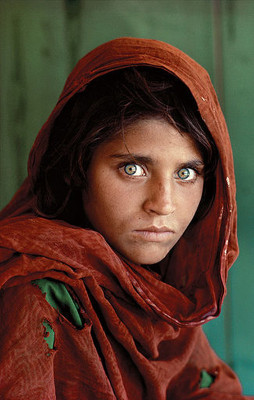
Located in central-south Asia, landlocked by Iran, Turkmenistan, Tajikistan and Pakistan, Afghanistan is a historically tumultuous country but despite this, it is a country of rich and vibrant culture.
Kabul, Afghanistan’s capital city, is located in the east and is home to 4.4 million people. The city known for its bustling bazaars and historical gardens, is also a melting pot of various ethnicities and has been for several decades. While the Pashtun and Tajik ethnic groups act as the majority in Afghanistan, there is also a community of Hazaras as well as Uzbek and Turkmen populations. Islam is the dominant religion in the city but there are also groups of Sikhs and Hindus. This mix of ethnicities and religions is because of displacement due to conflict. This meant more rural populations were moving to the city, creating a particularly diverse urban population. The official languages are Pasto, which is also spoken in Pakistan and Iran and Dari, a variety of the Persian language.
Fun fact: The national dish of Afghanistan is Qabili Palau, a rice dish cooked with raisins, carrots, nuts, and lamb or beef.
Afghanistan could be described as a country of extremes regarding its temperature and landscape. The most notable geographic feature is the Hindu Kush mountain range that runs from the northeast of Afghanistan to the southwest. The mountain range divides the country into three distinct geographic regions (the central highlands, the northern plains and the southwestern plateau) each with its unique features and climate. Part of the Himalayan mountains, the central highlands are incredibly high, sloping, snowy mountains that sit alongside the Pakistan border. They are often the epicentre of many earthquakes that occur in the country. In comparison, the northern plains consist of vast, fertile land most of which are densely populated. The southwestern plateau is a region of deserts and high plateaus where many large rivers intersect. The climate and landscape alter constantly throughout the country, creating pockets of dense population and expansive, inhabitable regions.
Fun fact: Afghanistan is enriched with natural resources including lithium, iron, zinc and copper.
While Afghanistan’s landscape seems to disconnect its population, Afghanistan has a long history of being a strong link between its neighbouring countries. Herat, the country’s third largest city, has been long considered as a key link in trade routes. The country was used heavily by merchants travelling between China, India and Europe. For the last 2,000 years, this has been called the Silk Road which connects the continents.

Fun fact: Bamyan, a city located in central Afghanistan, is home to the world’s oldest oil paintings located in a maze of caves.
As well as its interesting history and diverse landscape, Afghanistan is also is a country of deep, vibrant culture. The country has produced many influential writers past and present. Notably, Afghan-American writer Khaled Hosseini is world-renowned for his novels ‘The Kite Runner’ and ‘A Thousand Splendid Suns’ which reflect the life and culture of Afghanistan. 13th-century poet Rumi is also famous for his many poems that still comfort people today eight centuries after his death. His poems aren’t constricted by time and reflect modern reality. Some of his best poems include: ‘The Guest House‘ and ‘You Personify God’s Message‘. A contemporary Afghan-American writer, Nadia Hashimi writes on female experiences in Afghanistan, linking her American upbringing to her Afghan heritage. She released her international bestseller debut book ‘The Pearl that Broke its Shell’ in 2014 which has since been translated into many languages. The following year Hashimi released another bestseller ‘When the Moon is Low’ which received high praise from O, The Oprah Magazine. In college, I had the pleasure of studying ‘The Kite Runner’ and was moved by the bittersweet journey the characters embark on. I hope to read more Afghan literature and learn even more about the culture.
“Yesterday, I was clever so I wanted to change the world, today I am wise so I am changing myself”
-Rumi
Just like Kabul, Afghan music is a melting pot of the various music styles of its neighbouring countries. Traditional Afghan music has been influenced by Persian, Indian and Central Asian music. Other than the more commonly known musical instruments such as the tabla, dhol and daira, the rubab is a popular instrument used in Afghan music. The rubab is a short-necked lute-like instrument that is often used to play melodies and accompaniments. In particular, Ahmed Zair is a well-established traditional Afghan musician and Farhad Darya is a prominent pop singer and child rights activist.
In 2021, the Taliban regained control of Afghanistan and returned to brutal regimes similar to those imposed on the Afghan population in the late 1990s. Currently, taking photos or videos of “living things” is prohibited in Afghanistan so the population live without the ability to capture life for future generations. However, in the 2000s following the Taliban’s fall from power, photography and journalism flourished, hoping to put Afghanistan back into the world’s frame. In 2015, filmmakers Alexandria Bombach and Mo Scarpelli released a documentary film that follows four Afghan photojournalists as they reconnect Afghanistan to the world media. Frame by Frame, starring Farzana Wahidy, Massoud Hossaini, Wakil Kohsar and Najibullah Musafar was exclusively shot in Afghanistan and premiered at the South by Southwest festival in Austin, Texas. The in-depth documentary produced a crucial visual history of a country filled with uncertainty. Frame by Frame was shown at over 50 film festivals including the Seattle International Film Festival and BFI London Film Festival in the hopes of reigniting the thought of Afghanistan in its viewers’ minds.
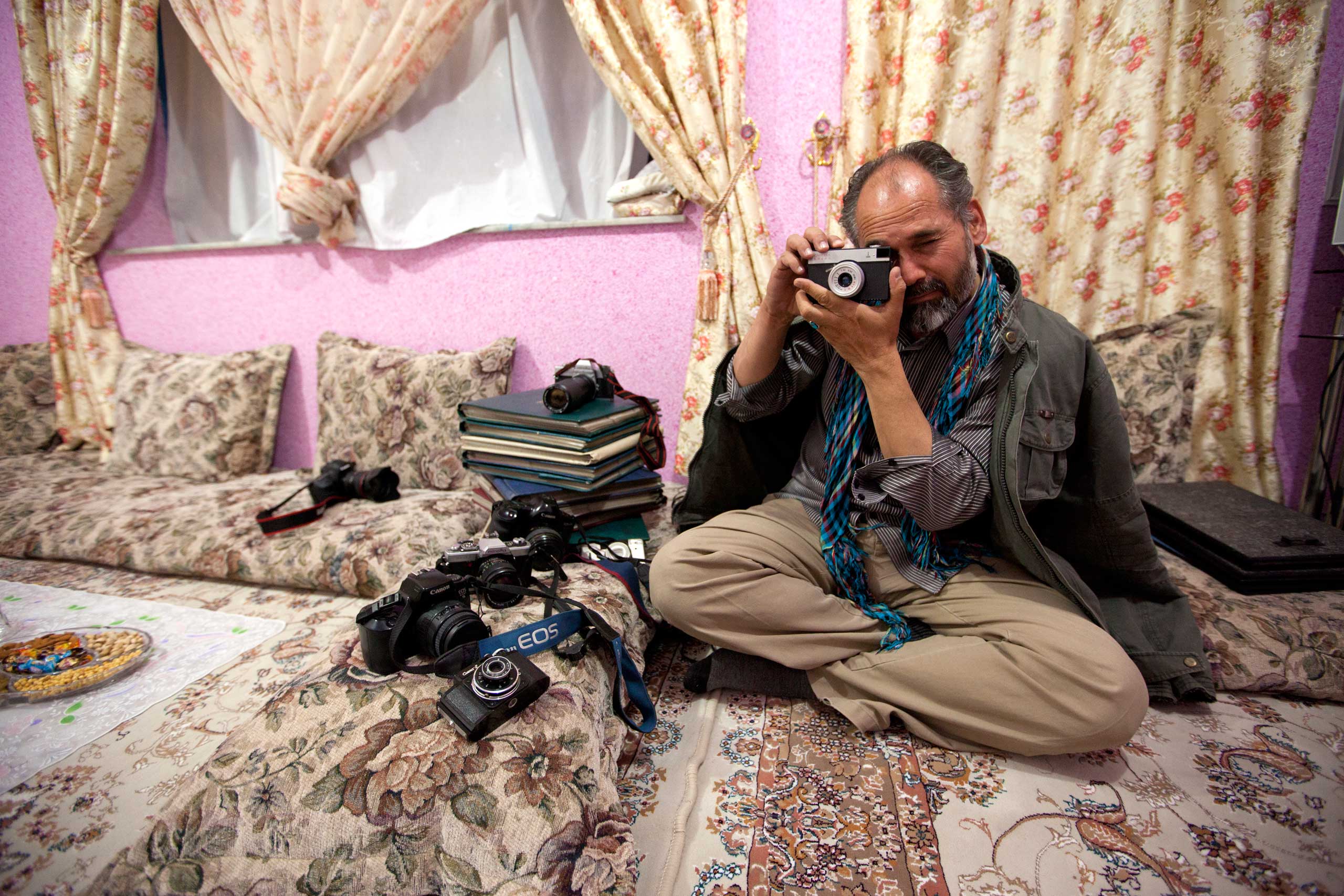
With Afghanistan weakened by the stronghold of the Taliban once again, we must remember its beauty, its culture and most importantly its people. Frame by Frame’s photojournalists feared the world forgetting Afghanistan again but through education and awareness, we can make sure this doesn’t happen. I hope that the people of Afghanistan will one day experience eternal freedom.
Often busy with our day-to-day lives, we forget the privilege of living in a country not affected by conflict and violence, so thank you for taking the time to read this post. I hope my next piece brings you back to The Imprint!
 The Imprint
Leave a comment